
What Is a Quilt Stand?
A quilt stand is one of those things you don't know you need until you have one — and then you can't imagine life without it. At its core, a quilt stand is a freestanding frame designed to hold, display, or store one or more quilts at a time. But calling it just a "storage solution" sells it short entirely.
Think about the quilts you own. Maybe one was stitched by your grandmother, passed down through the family with all the stories sewn right into the fabric. Maybe you spent months piecing together a star pattern yourself, staying up late on weekends, and the finished result is genuinely beautiful. So what happens to it when it's not on a bed? It gets folded away in a closet, pressed flat under other linens, slowly forgotten. A quilt stand changes that story. It gives your quilt a home where people can actually see it — where it becomes part of the room rather than disappearing into storage.
Quilt stands serve quilters, collectors, homemakers, and crafters alike. Whether you're a serious hobbyist who produces several quilts a year, someone who inherited a treasured heirloom, or simply a person who appreciates handmade textiles as art, there's a quilt stand that fits your life and your space.
Types of Quilt Stands
Not all quilt stands look alike, and the differences go beyond aesthetics. The style you choose affects how many quilts you can display, how much floor space you'll use, how easy it is to move the stand around, and how well it fits into your existing décor.
Freestanding Quilt Racks
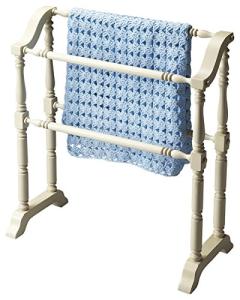
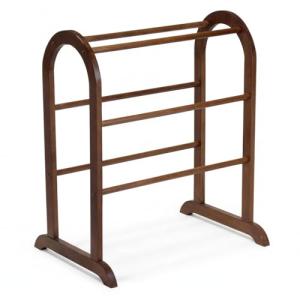
The classic. A freestanding quilt rack sits directly on the floor and needs no wall, no drilling, and no mounting hardware. Most models feature two to four horizontal bars or rails at varying heights, which allows you to drape multiple quilts over them at once — and if you stagger the quilts slightly, you can see a little of each one.
These racks are popular for good reason. They're easy to reposition whenever you rearrange a room, they work on any floor surface, and they're genuinely sturdy enough to support the weight of even thick, heavily-batted quilts. Freestanding racks work beautifully in living rooms, guest bedrooms, and master suites where you want to add both warmth and visual texture.
Ladder-Style Quilt Stands
The ladder rack is a leaning style that rests at an angle against the wall rather than standing fully upright on its own. It's one of the more popular choices right now because it manages to feel both rustic and contemporary depending on the finish — a raw wood ladder rack looks right at home in a farmhouse-style room, while a sleek black metal version fits a modern minimalist space just as easily.
Ladder stands typically have three to five rungs and are designed so that quilts drape over each rung at a natural angle. They have a very small footprint, which makes them a smart option for smaller rooms or apartments where floor space is genuinely precious.
Wall-Mounted Quilt Racks
If you want your quilt to function more like wall art — properly displayed, fully visible, and hung flat — a wall-mounted rack is the way to go. These attach directly to the wall and typically hold one quilt at a time stretched across a rod or clamped between two wooden planks.
Wall-mounted displays are popular among quilters who want to showcase a single statement piece. An heirloom quilt hung flat on a clean wall can look absolutely stunning, especially when the pattern and color work is intricate. The one consideration with wall mounting is installation — you'll want to make sure the mount is going into studs or using appropriate anchors, because a large quilt can be heavier than it looks, often weighing several pounds for a queen-size piece.
Enclosed Quilt Display Cases
These are the choice for serious collectors or anyone who has a quilt that is genuinely irreplaceable. An enclosed display case is essentially a cabinet with glass panels, which means your quilt is visible but protected from dust, humidity, light exposure, and anything else that degrades fabric over time.
If you have an antique quilt, a competition piece, or a family heirloom you want to preserve for generations, the extra protection of a case is worth the investment. Glass-fronted display cases are also a natural choice for anyone who wants their displayed quilts to feel more like museum pieces than casual home décor — and there's nothing wrong with that.
Portable and Collapsible Quilt Stands
Quilters who take their work to shows, guild meetings, trunk shows, or craft fairs need something different from the rest: a stand that packs flat, sets up quickly, holds a full-size quilt securely, and doesn't require two people to manage. Collapsible stands made from adjustable metal tubing fill that role.
These stands often come in carry bags with room for all the components, including multiple crossbars that you can connect to achieve wider widths. They're lightweight and compact enough to transport in a car, and the setup process — once you've done it a few times — goes quickly. For quilters who are regularly out in the world showing their work, a portable stand is practically essential.
Materials: What Your Stand Is Made Of Matters
The material of a quilt stand affects its look, its durability, its weight capacity, and how it ages over time.
Solid wood is the most traditional choice and still the most popular. Pine is lightweight and affordable, making it a great entry-level option. Oak and cherry are denser, heavier, and more durable, with a richer grain that improves with age. Walnut brings a dark, luxurious tone that elevates a room considerably. Amish-crafted solid wood stands in particular have a reputation for exceptional construction quality — these are pieces built to last decades, not seasons.
Wrought iron is the other classic material, offering a very different aesthetic. Iron stands tend to have a more ornate, traditional look with curved details, scrollwork, and a substantial weight that makes them feel anchored and permanent. They're harder to damage and won't warp or crack the way wood can in humid environments, though they are generally heavier and less portable.
Bamboo has grown in popularity as an eco-conscious alternative to traditional hardwoods. It's surprisingly strong, naturally resistant to moisture, and has a light, clean look that works well in casual or contemporary spaces.
Metal and aluminum are the materials of choice for portable stands, prized for being lightweight without sacrificing the structural integrity needed to hold a quilt taut and flat.
How to Choose the Right Quilt Stand
Choosing a quilt stand isn't complicated, but there are a few things worth thinking through before you buy.
Consider the Size of Your Quilts
This is probably the most important practical factor. A queen-size quilt needs a stand wide enough to display it without excessive folding. Most standard quilt racks are designed to hold quilts folded in half, but if you want to show off the full pattern, you need either a wider rack or a wall-mount that spans the whole width. Check the width specifications carefully and compare them to your actual quilt dimensions.
Weight matters too. Queen-size quilts often land between four and six pounds, and heavily batted or densely pieced quilts can weigh more. Make sure the stand you're considering has a weight capacity that handles your quilts comfortably, with some room to spare.
Think About How Many Quilts You Want to Display
If you have one statement piece, a wall-mounted hanger or a single-bar stand does the job perfectly. If you're the kind of quilter who always has several finished pieces rotating through the guest room, a multi-bar freestanding rack with three or four levels is going to make you much happier.
Match It to Your Space
Measure before you buy. A stand that looks beautiful in a product photo can overwhelm a small bedroom or look out of scale in a large open living room. Pay attention to height, width, and depth. Also consider the finish — a honey-toned pine rack will feel right at home in a warm, country-style space but might look out of place in a room with cool gray walls and modern furniture.
Think About Mobility
Do you want this to stay in one place forever, or do you need to move it around? Lightweight ladder racks and portable stands are easy to relocate. Solid wood stands with wide bases tend to be heavier and less convenient to shift. Neither is better — it just depends on how you use your space.
Caring for Your Quilts on a Stand
Having a beautiful stand is only part of the equation. A few simple habits will keep your displayed quilts looking their best for years.
Rotate your quilts regularly — every few months or so — to prevent the same areas from being stressed by folding or exposed to light. If your stand is in a spot that gets direct sunlight for much of the day, consider repositioning it or using window coverings, since UV light fades fabric over time regardless of how good the quality is.
If dust accumulates on a displayed quilt, a gentle shake or a light pass with a lint roller is usually enough. Avoid hanging quilts on rough surfaces or edges that might snag delicate fabrics.
For long-term display of heirloom or antique quilts, the enclosed display case option is really worth considering. The investment in protection is minor compared to the value — sentimental or otherwise — of the quilt itself.
Who Needs a Quilt Stand?
The honest answer is: more people than you'd think.
Quilters obviously top the list. When you've put dozens or even hundreds of hours into a project, it deserves to be seen rather than stored. A quilt stand is the most natural way to display finished work in your own home and share it with guests.
But quilt stands are just as useful for people who collect rather than make. Antique quilts, folk art quilts, and regional textile traditions are all deeply collectible, and the pieces themselves are far more interesting when they're on display rather than tucked away.
Interior decorators and home design enthusiasts also reach for quilt stands when building rooms with warmth, texture, and character. A well-chosen quilt draped over a beautiful wooden stand adds the kind of visual richness that no mass-produced décor item can replicate.
And then there are the practical households where a quilt stand simply holds the extra blankets near the couch — within reach on cold evenings, but looking intentional and attractive rather than like a pile of laundry waiting to be put away. That's a use case that works just as well, and there's nothing wrong with a quilt stand being both beautiful and genuinely functional at the same time.
Quilt stands occupy a small but meaningful corner of home furnishings. They're useful, they're often beautifully made, and they solve a real problem that anyone who loves quilts eventually runs into: what do you do with something too beautiful to hide?
Whether you go with a classic solid oak freestanding rack, a leaning ladder stand, a glass-fronted display case, or a portable option for shows and events, you're making a choice to treat your quilts the way they deserve — as the handmade works of art, family treasures, or simply the wonderfully cozy objects that they genuinely are.